
Old Craft, New Spaces: Rugs in Modern Interior Design
Think rugs are irrelevant in a contemporary home? Think again. While seemingly dated to some, they still make an important contribution to how a space feels and functions. Their staying power isn’t accidental—rugs have evolved with us, adapting to new materials, cultures, and ways of living.
At the same time, they do have a remarkably rich history, having been part of interior environments for thousands of years. In fact, the Pazyryk rug, discovered in a Scythian burial mound in Central Asia and dating back to the 4th or 3rd century BC, is among the oldest known examples. And that long tradition continues today: even in the most contemporary interiors, rugs remain essential design elements.
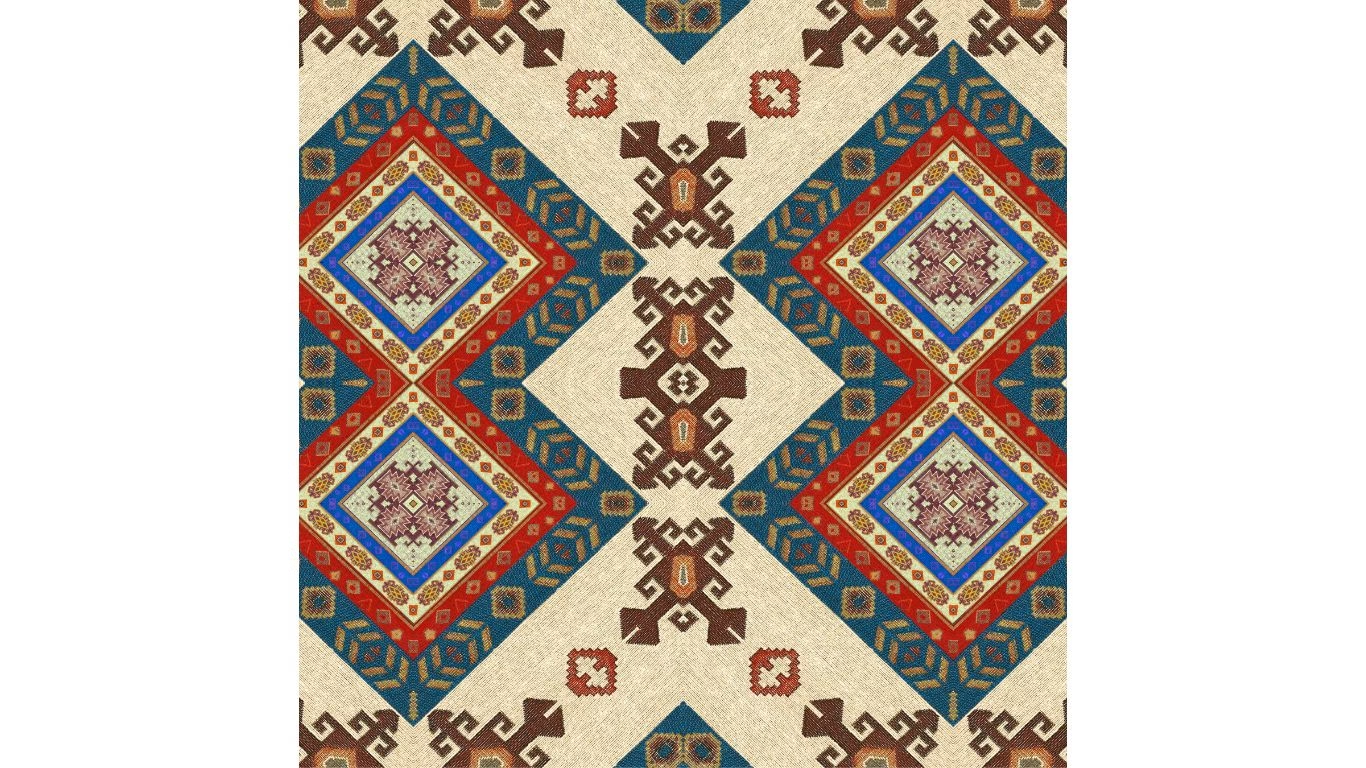
Across continents and centuries, their stories endure. Many contemporary designers and artisans continue to reinterpret traditional weaving techniques for modern interiors. Handwoven Moroccan, Persian, and Turkish designs—once symbols of regional identity—now find new expression through updated palettes, abstracted motifs, and sustainable materials. This evolution honors the craft’s heritage while keeping it relevant for today’s lifestyles. It’s an ancient art form that still shapes how we experience beauty and comfort where we live.
Comfort That Grounds a Space
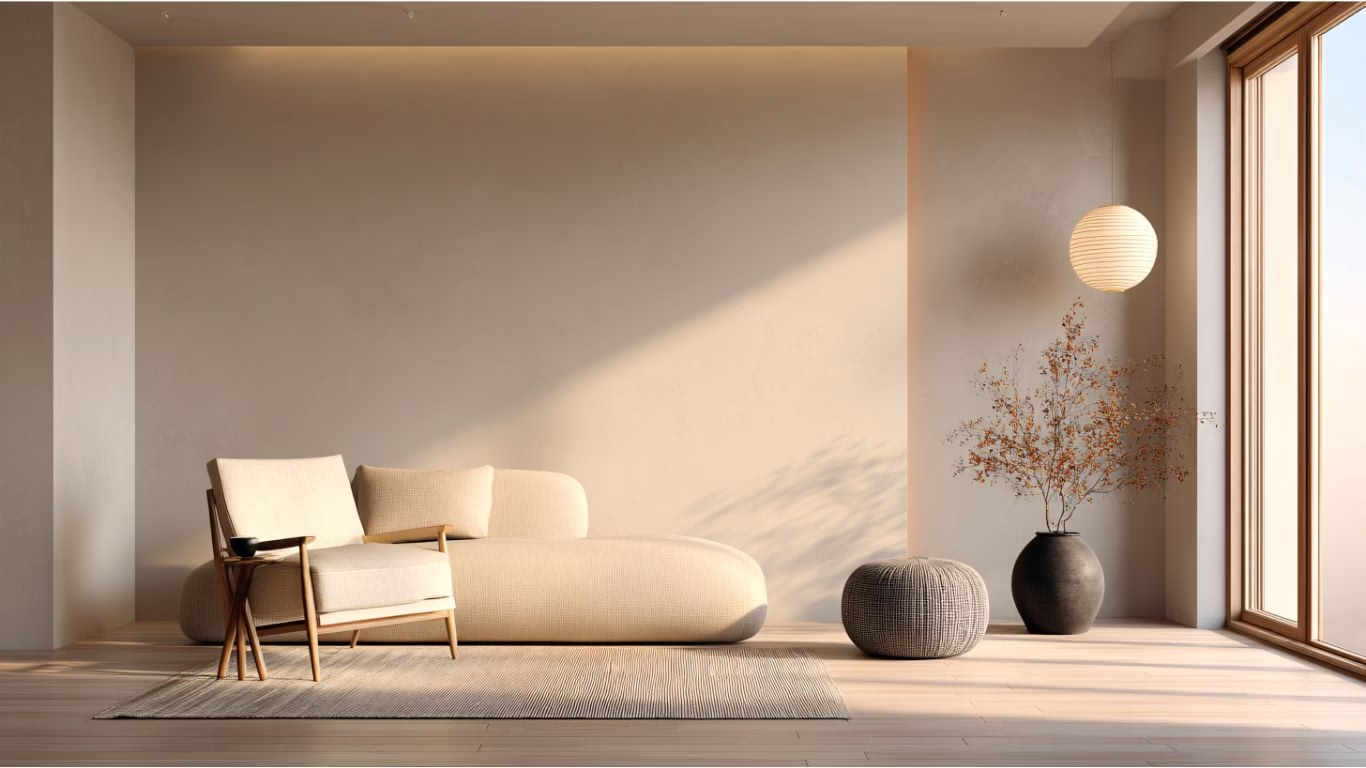
One of the main reasons rugs continue to thrive in today’s interiors is their ability to create both physical and emotional warmth. In open-plan lofts or minimalist spaces, rugs soften the visual lines and make rooms feel more grounded. During colder months, they act as an extra layer of insulation, literally warming up a home from the floor up.
A textured wool or silk rug underfoot can make the difference between a space that looks designed and one that feels lived in. It’s a subtle, tactile comfort that encourages slowing down and enjoying your surroundings.
Color Strategy
Color is one of the most powerful tools a rug brings to a room. Cool tones like blues and greys can create a sense of calm and spaciousness, helping smaller rooms feel open and serene. Warm hues (think ochre, rust, or terracotta) add intimacy and visual warmth, especially in larger or minimalist spaces. Even subtle variations in tone can shift a room’s atmosphere and ease harsh light or balance bolder furnishings. Instead of following strict rules, it’s about choice: select colors that echo how you want the room to feel, not just how you want it to look.
Scale and Proportion
The right rug size can quietly determine whether a room feels harmonious or unsettled. A rug that’s well-proportioned to the furniture helps the eye read the space as cohesive rather than fragmented. In living areas, aim for enough coverage that at least the front legs of major pieces rest on the rug, creating a sense of connection. In bedrooms, extending the rug beyond the sides of the bed gives a more generous, balanced feel. Getting the scale right ensures the rug complements the architecture and layout instead of competing with them.
Design Cohesion and Visual Balance
Rugs are one of the most effective tools for visually tying together a space. And when choosing a rug, think beyond size and color. Whether it’s a vintage Persian rug anchoring a sleek modern sofa or a neutral jute piece softening a bright art collection, the right foundation can unify diverse elements such as furniture, wall art, drapery, and lighting.
As a New York interior designer, I often remind clients that a rug can act like the “binder” in a room’s visual composition. It bridges furniture groupings and helps define “zones” within an open layout. This helps create intimacy where there might otherwise be expanse.
In multi-use spaces, rugs reinforce that definition. A large rug under a dining table distinguishes it from the living area; a runner in a hallway can subtly lead the eye and create a sense of movement through the home.
Style Versatility: From Minimalism to Global Eclectic
Rugs are not limited to traditional or classic interiors. In fact, the diversity of materials, patterns, and techniques available today makes them ideal for almost any aesthetic.
- Hand-knotted rugs add a sense of heritage and craftsmanship.
- Flatweaves and kilims bring color and geometry to contemporary spaces.
- Natural fiber rugs such as jute or sisal offer an understated, organic warmth that complements modern design.
Layering rugs, meaning placing smaller, patterned rugs over a neutral base, can also add texture and individuality without overwhelming a room.
Practical Benefits You’ll Actually Feel
Beyond aesthetics, rugs indeed serve a number of practical purposes that make a home more livable. They add warmth and absorb sound, which is especially valuable in high-traffic spaces or urban apartments with hardwood or tile flooring. They protect original wood floors from scratches and wear, particularly important in period homes such as New York brownstones; and in newer spaces, they extend the life of high-end finishes like marble or polished concrete. Also, they provide a safer, softer surface in homes with children or pets. (And like any design choice, their cost can vary widely depending on quality and craftsmanship. You can read more here about what goes into overall interior design costs.)
Sustainability and Craftsmanship
Today’s homeowners are increasingly drawn to rugs that reflect not only good design but good values. Many contemporary makers are embracing eco-conscious practices, from using natural dyes and organic fibers to handweaving with recycled or upcycled materials. Fair-trade cooperatives and small artisan workshops also ensure that traditional weaving communities are supported and fairly compensated. These sustainable rugs reduce environmental impact while bringing authenticity and a story to a space by connecting modern interiors with the hands and heritage behind the craft.
Timeless Foundations for Today’s Living
Rugs are far more than decorative afterthoughts and can be essential for creating a layered, balanced, and human-centered interior. In our New York projects, we see firsthand how they can completely shift the mood of a room, from complementing bold artwork to softening an open and at times, stark loft space.
Whether you’re aiming to add comfort and a touch of visual artistry, investing in the right rug is one of the smartest—and most enduring—design decisions you can make.
Further Reading and Inspiration
For additional ideas on the topic, check out this piece on Dwell.com: 7 Top Rug Makers Whose Designs We’re Dying to Bring Home
Also, here are several top-tier rug makers with strong reputations for luxury and/or artisanal craftsmanship to explore.
- The Rug Company. London-based brand whose rugs are “handcrafted by expert craftspeople using the finest natural materials to last for generations.”
- Tufenkian Artisan Carpets. Collection emphasizes “intricate artisanship … meticulously hand knotted by skilled weavers.”
- Henzel Studio. Niche luxury maker blending art-rug collaborations (with major artists) and high-end craftsmanship.