
Brownstone Renovation: Making Our Brooklyn Home Energy Efficient (Part 2)
Design trends come and go, but as a Brooklyn interior designer, I’ve always believed good design has to respond to the world we’re actually living in. Right now, that means sustainability, performance, and long-term thinking. Creating an energy-efficient home is no longer a niche concern. It’s becoming part of responsible design, especially in dense urban environments like Brooklyn.
In Part 1, I shared how we approached solar planning for our Bed-Stuy brownstone renovation. In Part 2, I want to walk through the practical decisions behind the system itself and how those choices intersect with interior design.
How Do You Start the Solar Process for a Brooklyn Brownstone?
If you’re considering solar for a brownstone, the process is often more straightforward than people expect. For our building, it started with gathering basic information: how much electricity we use, how many kilowatt hours appear on our monthly utility bills, and how the building is configured.
Working with Brooklyn Solarworks, we were able to move through this phase quickly. Once we shared our usage data, they helped us size a system that made sense for a multi-unit brownstone rather than a single-family home. From there, we applied for financing through a New York State solar program that is largely supported by federal grants, with the remaining balance folded into manageable monthly payments.
What Type of Solar System Is Best for a Brooklyn Townhouse?
One of the most important decisions when planning a solar system during our brownstone renovation is how the energy will be used. In New York, solar companies typically talk through three options:
On-grid systems, which feed excess energy back into the utility grid
Off-grid systems, which operate independently
Hybrid systems, which combine grid connection with battery storage
Each option has design and infrastructure implications. Off-grid and hybrid systems require additional components like charge controllers and battery banks, while many on-grid systems do not. The right choice depends on how much independence you want, how much space you have, and how you plan to use the building.
Do Solar Batteries and Equipment Affect Interior Design?
This is one of the most common concerns I hear from clients. The short answer is no, not if it’s planned correctly.
Battery banks and charge controllers are functional elements, but they don’t have to compromise the aesthetic of a home. Placement is driven by accessibility and safety, especially in the event of extreme weather or other emergencies. From a design standpoint, these systems can be integrated discreetly into utility spaces, millwork, or secondary rooms without drawing attention to themselves.
Good interior design isn’t about pretending systems don’t exist. It’s about accommodating them thoughtfully so they support how the home works.
Can Sustainable Systems Still Feel Sophisticated?
Absolutely. Sustainability and sophistication are not opposites. They just require intention.
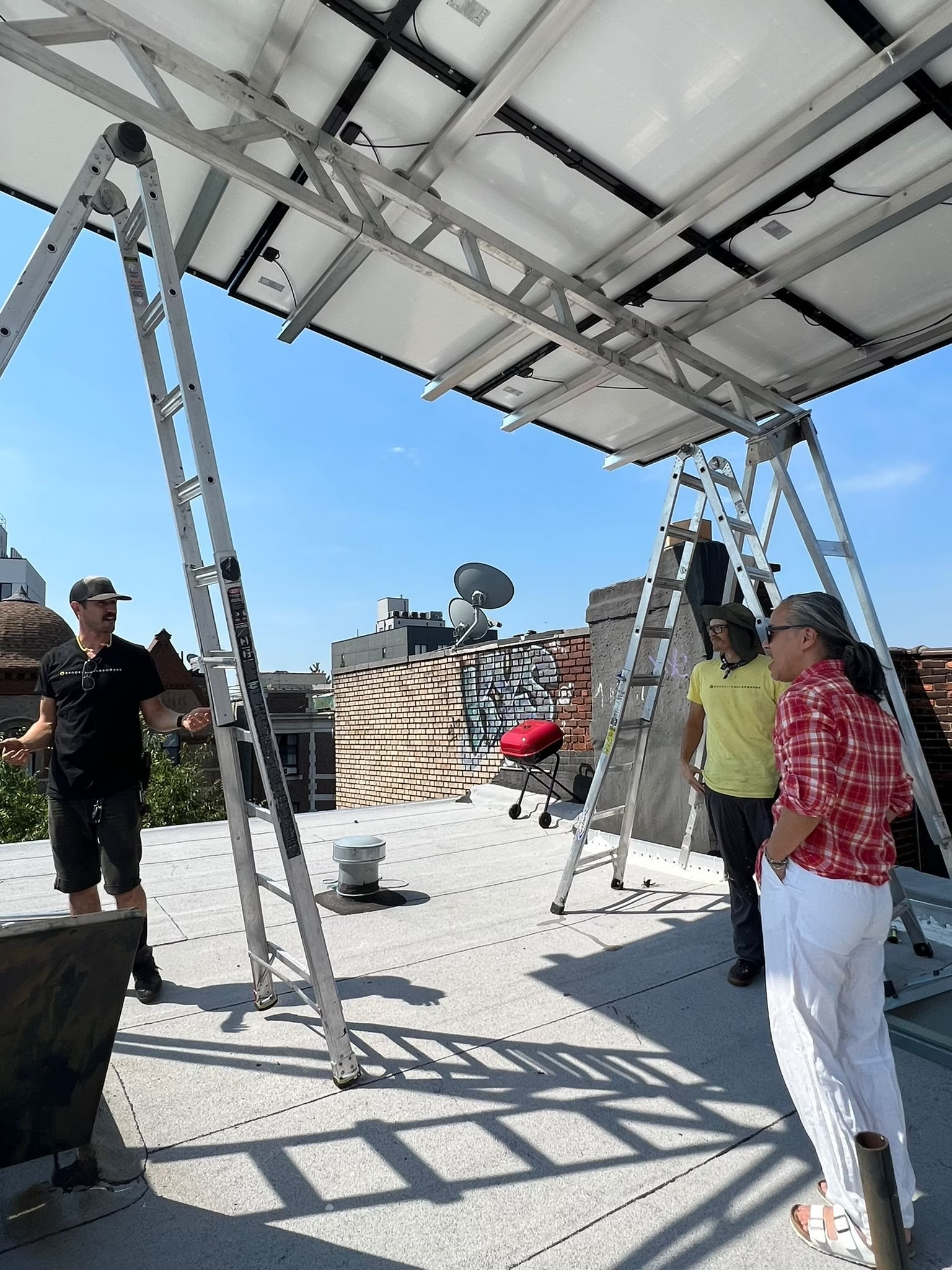
Solar panels, battery storage, and energy-saving systems are infrastructure decisions, but they influence how a home feels over time. Lower energy costs, quieter systems, and reduced reliance on fossil fuels all contribute to comfort. In our case, adding a new awning has also helped reduce heat gain on the roof, which improves interior conditions while opening the door to future possibilities like a roof deck.
Why Energy Efficiency Matters in Brooklyn Interior Design
For me, this project is about more than checking a sustainability box. It’s about demonstrating how historic Brooklyn brownstones can evolve responsibly. When you’re not working inside a massive interior design firm, you have the flexibility to explore solutions that are personal, practical, and forward-looking.
Making our own brownstone more energy-efficient has reinforced how closely design and performance are linked. The goal isn’t just to create beautiful spaces, but homes that function better, waste less, and feel good to live in for decades to come.
* If you want to learn more check our Guide to Essential Sustainable Interior Design
** And since we touch upon cost savings, check our Guide to Interior Design Costs in NYC