
Designing a Home Office
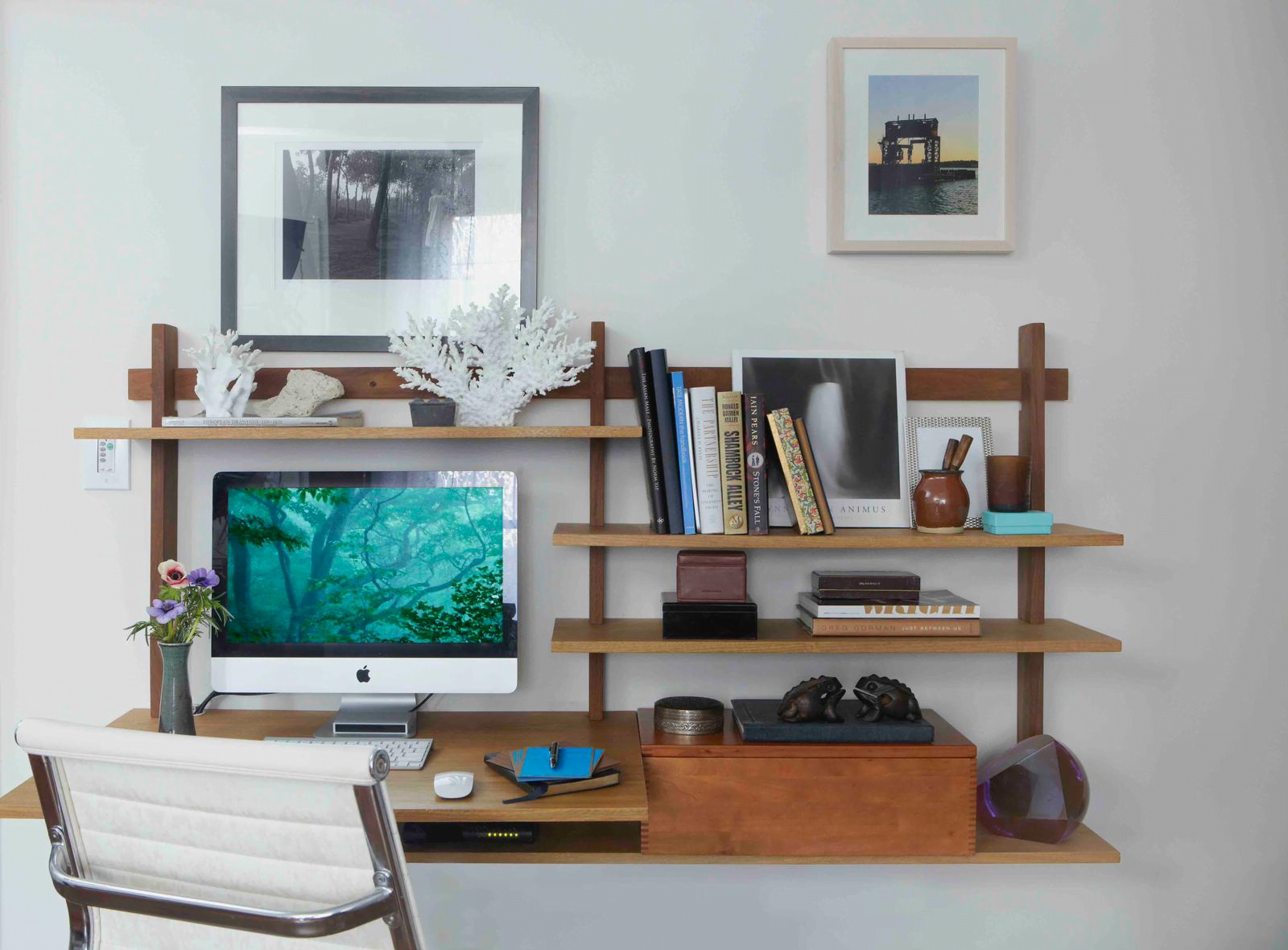
Remember when working from home felt like a luxury? Now it is simply part of how many of us live and work. The challenge is no longer escaping the commute. It is creating a space at home that supports focus, productivity, and comfort without feeling temporary or improvised.
As a New York interior designer, I’ve seen a clear shift. Clients are no longer asking for a spare desk tucked into a corner. They are asking how to design a home office that feels intentional, refined, and built for long-term use.
At Jarret Yoshida Interior Design, we approach home office design the same way we approach any other room in a home. It should function beautifully. It should feel calm. And it should reflect the way you actually live and work.
What Makes a Home Office Truly Functional?
An ideal home office is not defined by square footage. It is defined by how well it supports your daily habits.
Before we design anything, I begin with a conversation. How many hours are you working each day? Are you on video calls constantly? Do you need privacy, or are you comfortable working near family activity? Do you prefer natural light or softer ambient lighting?
Many people no longer require a fully enclosed office. Some thrive in a thoughtfully designed corner of a living room. Others need a dedicated, acoustically protected room to concentrate. The right solution depends entirely on your work style.
A successful workspace must address three essentials:
- Quiet and focus
- Proper lighting
- Comfortable, supportive furniture
Everything else builds from there.
How Important is Lighting in a Home Office?
Lighting is one of the most underestimated elements in home office design.
First, consider natural light. Studies consistently show that natural daylight improves mood and productivity. Positioning your desk near a window, when possible, provides energy and balance throughout the day. If sunlight is strong, sheer curtains or tailored window treatments can soften glare without blocking the light entirely.
Artificial lighting requires more nuance. Overhead lighting alone is rarely sufficient. Layered lighting, such as a well-placed task lamp combined with ambient fixtures, creates depth and prevents harsh shadows. If you spend time on video calls, avoid backlighting. A soft, forward-facing light source helps you appear clear and professional on camera.
As with any room, lighting should be both functional and visually cohesive. It is part of the overall composition.
What Furniture Should You Invest in for a "Work From Home" Setup?
Furniture is where comfort meets longevity.
If you are sitting for hours each day, your chair matters. Ergonomic support is not a luxury. It is essential. Whether you prefer a tailored, minimalist task chair or something more sculptural, the key is proper support for posture and spinal alignment.
Adjustable desks have also become increasingly popular. The ability to alternate between sitting and standing throughout the day supports circulation and energy levels. For clients with back concerns, this flexibility can make a meaningful difference.
Beyond the desk and chair, consider flow. Sharp, heavy furniture can make a workspace feel rigid. Softer lines, refined materials, and thoughtful textiles create a more inviting environment. Office furniture no longer needs to feel corporate. It can integrate seamlessly into the larger design of your home.
And practically speaking, plan for technology. Integrated outlets, concealed cord management, and accessible charging stations prevent visual clutter. A calm room supports a calm mind.
How Do You Reduce Noise and Improve Acoustics at Home?
Sound quality is often overlooked until it becomes a problem.
If you participate in frequent virtual meetings, acoustics matter. Hard surfaces reflect sound and create echo. Soft materials absorb it.
Area rugs, upholstered seating, fabric window treatments, and even bookshelves help dampen unwanted reverberation. In more technical situations, acoustic panels can be incorporated discreetly into the design. (For additional ideas on rugs, look at this article on Dwell.com: 7 Top Rug Makers Whose Designs We’re Dying to Bring Home).
For families with children, creating a space that offers both proximity and separation can be key. Sliding doors, pocket doors, or strategic room dividers allow you to maintain awareness while preserving focus.
A well-designed home office protects concentration without isolating you from your home life.
What Should a Home Office Feel Like?
Beyond function, your workspace should inspire you.
The overall aesthetic matters more than most people realize. Color, pattern, and texture all influence mood and energy. Natural materials and subtle references to landscape can promote focus and calm. Artwork, greenery, and personal objects bring warmth and individuality.
Storage is equally important. Decorative boxes, trays, and integrated cabinetry keep essentials within reach without overwhelming the room. Visual clarity often translates to mental clarity.
A beautiful, well-considered home office supports productivity in a way a makeshift desk never will.
Is a Dedicated Home Office Always Necessary?
Not necessarily.
Some of the most successful workspaces I have designed exist within multifunctional rooms. The key is intention. Even a small corner can feel elevated if lighting, scale, and materials are thoughtfully chosen.
Designing a home office today is not about replicating a corporate setting. It is about creating a space that reflects your rhythm, your aesthetic, and the way you work.
As remote and hybrid work continue to evolve, smart home office design will remain essential. When done well, it becomes one of the most personal and rewarding spaces in the home.
-----------
Extra Tip: How much does an interior designer cost?
Interior design cost can often be top-of-mind with clients. That said, we'd like to offer some helpful context on how interior design costs fit into an overall project budget. Please visit our Guide to interior design costs in New York and learn more.