
The Art Of Hanging Art
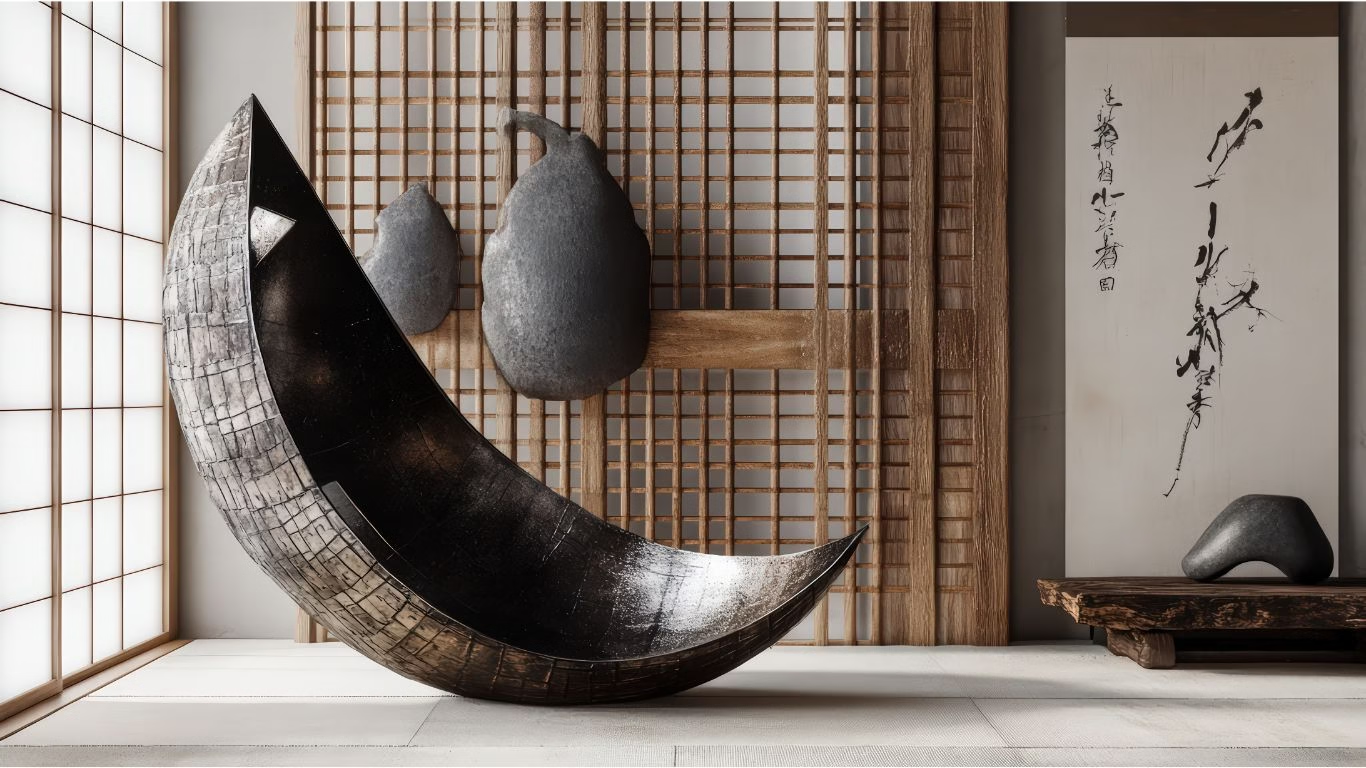
One of the first questions clients ask after moving into a new home is surprisingly simple: “Where should my art go?” In New York, where walls tilt, ceilings stretch high, and layouts shift from one building to the next, hanging art can feel strangely intimidating. But it does not have to be. After years of installing artwork in apartments across the city, I have learned that a few uncomplicated principles can make the entire process feel natural.
How High Should You Hang Art on a Wall?
Most people hang art too high or too low. A reliable starting point is to place the center of the artwork at average eye level. In most homes, that is around 57 to 60 inches from the floor. It feels intuitive when you see it, and it lets the piece relate naturally to the room. In spaces with unusually tall ceilings, like lofts, I adjust the height slightly so the artwork feels connected to the furnishings rather than floating on its own.
Can You Mix Photography, Paintings, and Different Frames?
Clients often worry that they need matching frames or a consistent medium throughout a room. You absolutely do not. Some of the most interesting interiors come from mixing photography with painting, pairing contemporary work with vintage finds, or blending natural wood frames with sleek metal ones. The key is to pay attention to proportion and tone so the visual rhythm feels intentional.
This approach works particularly well when creating what many people call an eclectic gallery wall in a living room. A thoughtfully arranged collection allows different artists, materials, and time periods to coexist without feeling chaotic. When spacing and scale are handled carefully, the result feels layered and personal rather than crowded.
What Is the Best Way to Hang Art Securely on Different Walls?
Many New Yorkers are afraid of making a mistake, especially in older buildings with unpredictable plaster. Good hardware solves most problems. Use picture hooks that match the weight of your piece, and when you are hanging something larger, it is smart to use two hooks spaced evenly. This helps the piece stay level and keeps it from shifting. A knowledgeable hardware-store person can guide you to the right anchors for the type of wall you have.
How Much Art Should You Put on a Wall?
Just because you have walls does not mean you need to cover every inch. Negative space lets a room breathe. A clean stretch of wall can be just as expressive as a fully arranged gallery. On the other hand, a long hallway can come alive when you line it with personal photos, travel prints, or art in a thoughtful sequence. It is all about balance and what the space naturally supports.
What Art Works Best Above a Sofa and Headboards?
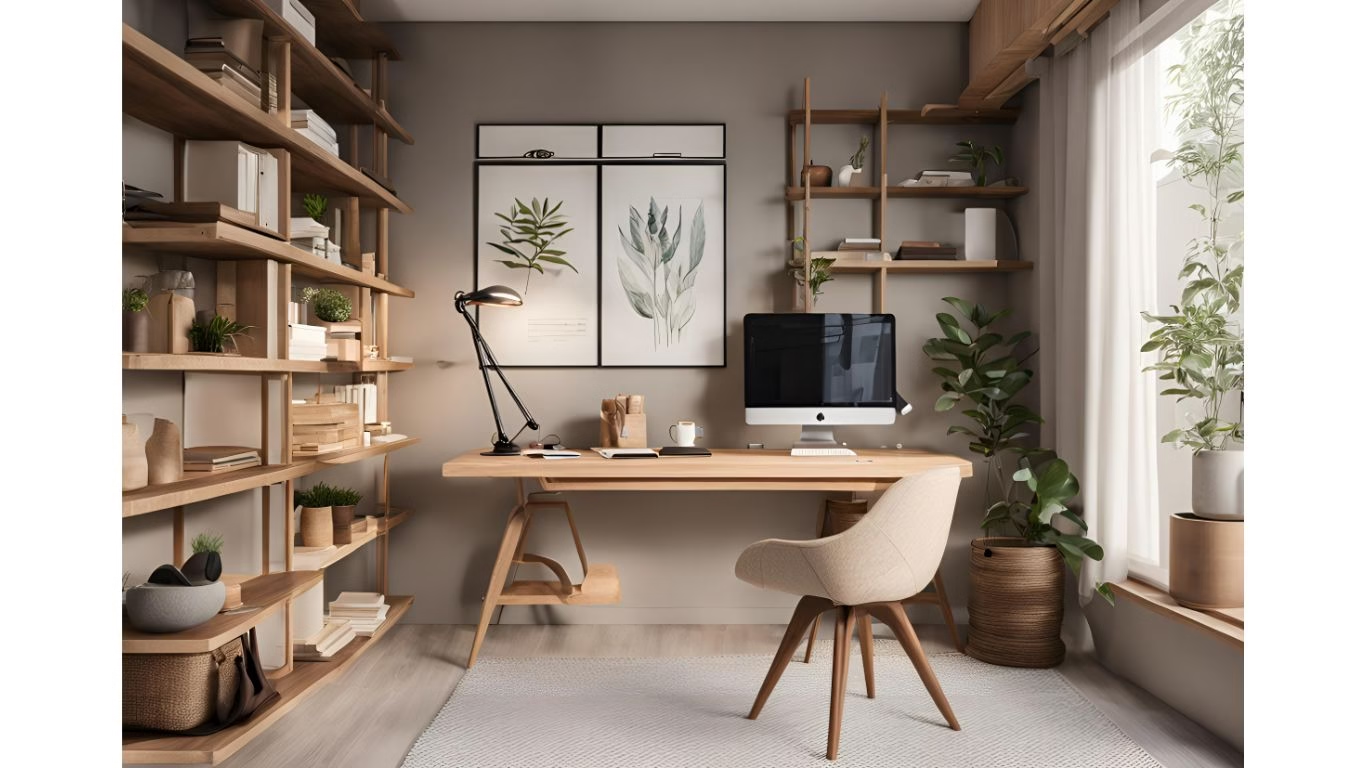
People often worry about placing art above furniture, especially above a sofa where guests lean back. As a rule, hanging a piece six to eight inches above the top of the sofa keeps it close enough to feel connected but high enough to avoid accidental bumps.
Many homeowners today search for ideas around large statement art above a sofa in a modern living room, and the principle is usually the same: scale matters. A single oversized piece often anchors the space more effectively than several small works. When the proportions are right, the artwork becomes a quiet focal point rather than visual clutter.
Can I Hang Art Over a Fireplace?
If you have a fireplace, consider using a mirror above it. Mirrors bring light into a room, open up narrower New York spaces, and always feel elegant. They are also easier to maintain than many art materials, especially in an area where heat can rise.
What Art Fits a Minimalist Interior?
In more restrained interiors, art plays a slightly different role. A minimalist interior with an abstract painting can feel striking precisely because there are fewer competing elements in the room. One carefully chosen artwork, often with strong color or texture, provides visual interest without disrupting the calm atmosphere of the space.
The goal is not to fill walls but to introduce just enough presence that the room feels considered.
Should You Hang Art or a Mirror Above a Fireplace?
If you have a fireplace, consider using a mirror above it. Mirrors bring light into a room, open up narrower New York spaces, and always feel elegant. They are also easier to maintain than many art materials, especially in an area where heat can rise.
How to Choose the Right Size Art for a Wall?
When in doubt about size, go larger. Art that is too small tends to get visually lost and makes the room feel understyled. A slightly oversized piece anchors a space and creates a sense of confidence and clarity. Framing also plays a role. Even minimal frames can help a piece read with more presence.
How Does an Interior Designer Decide Where Artwork Should Go?
Part of the process of placing artwork in a modern home is simply stepping back and studying how the room feels as a whole. As a New York interior designer, I often look at the architectural lines first, then the furniture placement, and finally how the artwork can connect the two. When the relationship between those elements feels balanced, the art begins to feel like it truly belongs in the space.
Hanging art is one of those details that makes a home feel finished and intentional. If you are unsure about placement or scale, my team and I can always help measure, source, and install your artwork with care. With years of experience, I know how much there is to explore in sourcing and placing art. We are always happy to guide you through this interesting and enjoyable process.
For a deeper look at how interior design costs fit into an overall project budget, check our our Guide to Interior Design Costs in New York.