
Even an Interior Designer Needs an Interior Designer
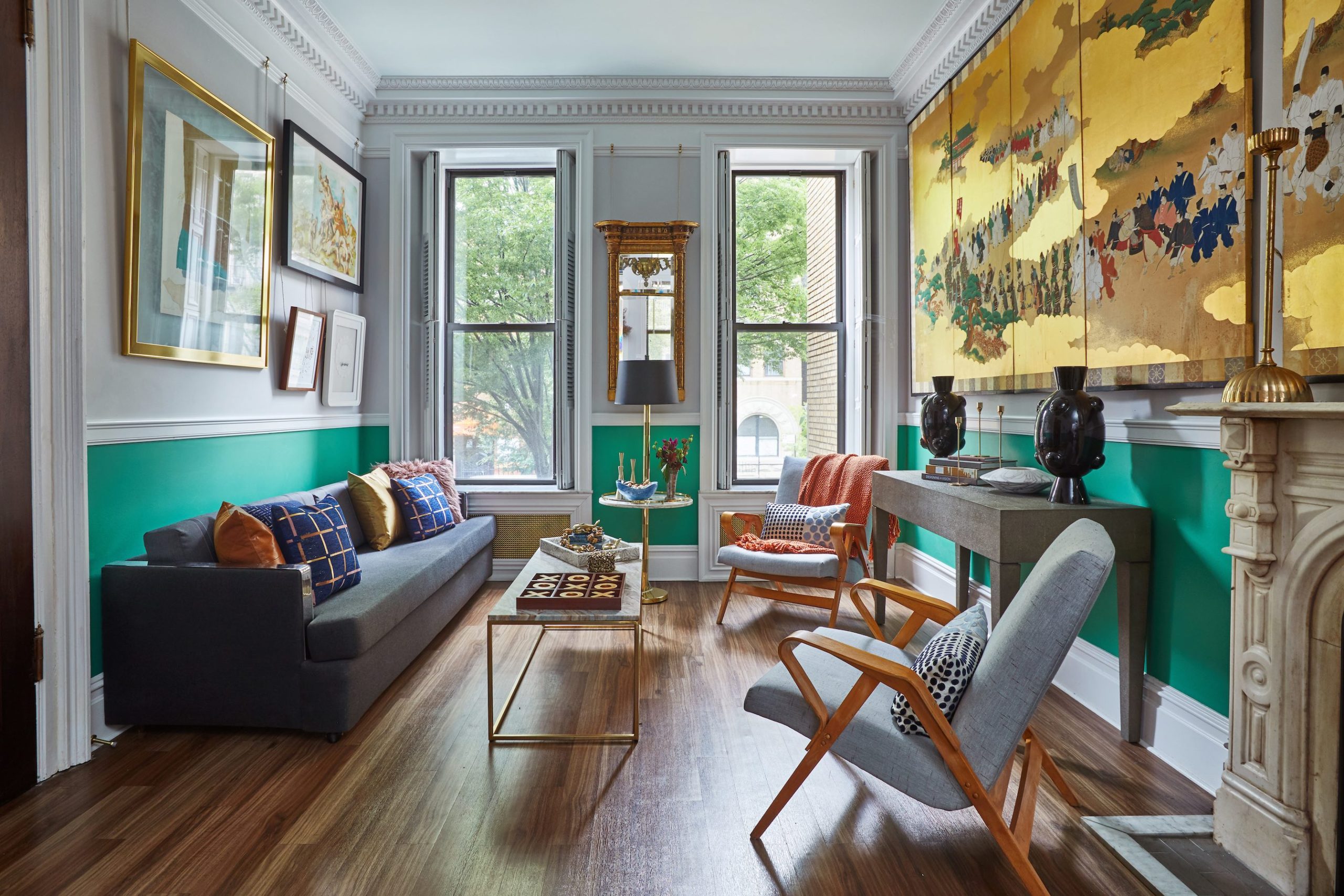
Do I need an interior designer if I already know what I like?
Designing your own home is tricky because you are simply too close to it. You literally cannot see the forest for the trees.
Every object can have too much emotion attached to it. You bought it. You spent money on it. Maybe it is not working anymore, but you feel bad getting rid of it. Maybe it reminds you of a certain time in your life. Maybe you have looked at it for so long that you no longer really see it.
You are bringing to your own home not just your aesthetics, but your emotional history. That is one of the reasons even an interior designer can need another interior designer. Sometimes you need someone to come in and be objective and ask a very simple question: Does this work or not?
Why is it so hard to design your own home?
When you live with things every day, it becomes difficult to see them clearly. You remember what they cost, where you bought them, why you chose them and what they mean to you. All of that can get in the way of making a straightforward design decision.
An outside eye can separate the emotion from the function. Does the piece work in the room? Does it fit the scale? Does it contribute to the larger idea? Does it still belong there?
That kind of objectivity is often harder to find in your own home than in someone else’s.
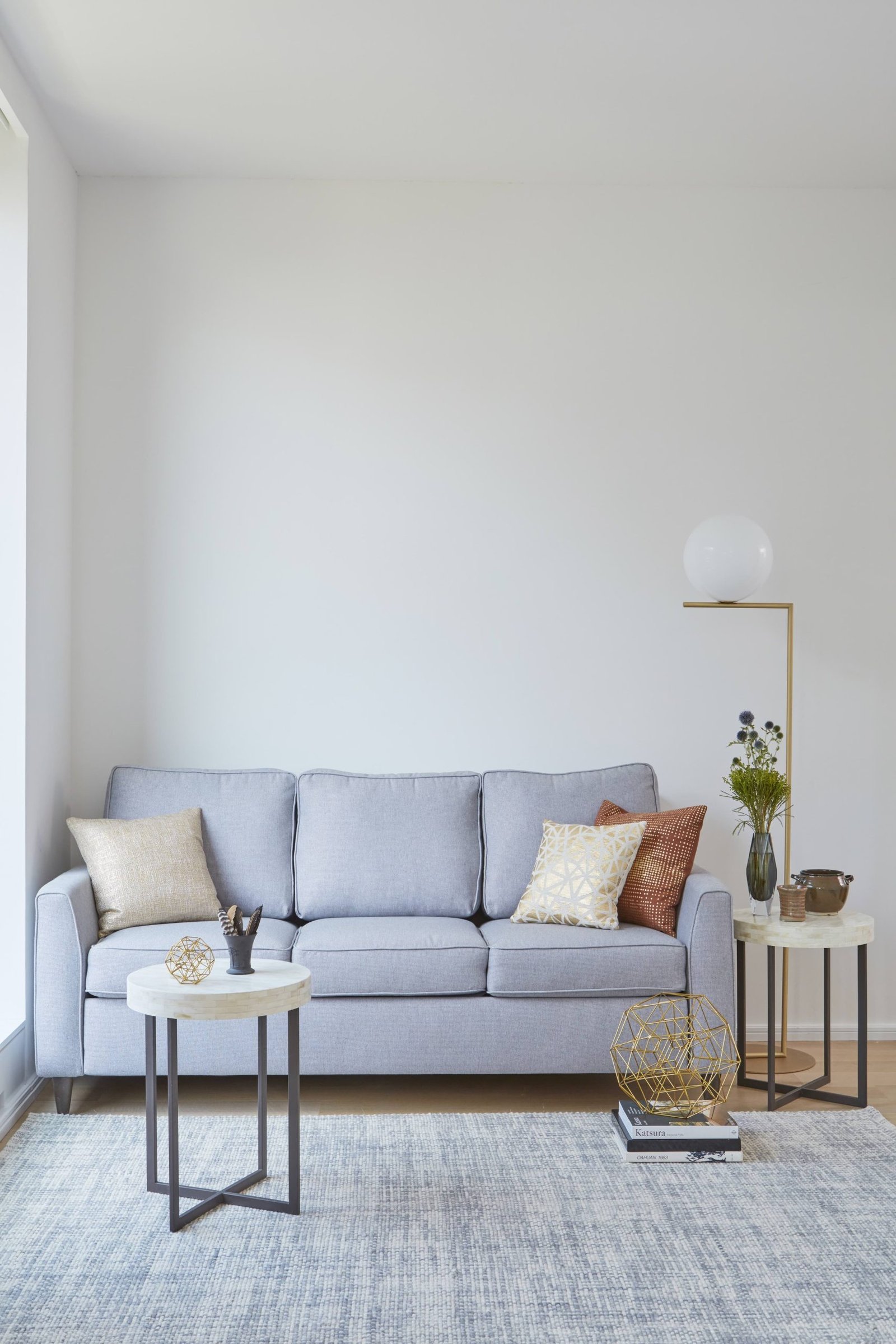
Why do so many interiors end up beige, white and gray?
When people do not know what to do, they often end up in beige, white and gray. And there is nothing wrong with beige, white and gray. I love beige, white and gray. This is not a slam against it.
But for many people, it is a default.
What they actually love may be blue and green. Or terracotta. Or pattern. Or texture. We have clients whose wardrobes have the most beautiful things going on – Anthropologie, YSL, whatever it might be – and then you look at their house and think: Your house looks nothing like your wardrobe.
That is part of what a designer helps interpret. Maybe you really would love a forest-green sofa or a sofa in a great terracotta. The problem is not necessarily whether you like it. The problem is figuring out what happens after that.
How do you use more color in a room without making it feel overwhelming?
People often worry that color will be too much, but look at nature. You do not look at a garden and say, “Oh my God, that is too much purple and red.” Nobody says, “I want a garden that is beige, gray and white.”
Even a cactus garden has green, beautiful browns, different tones and texture. Nature gives us permission to use more than three colors.
The issue is not whether you use color. It is whether you know how to make the colors work together. That is where experience comes in.
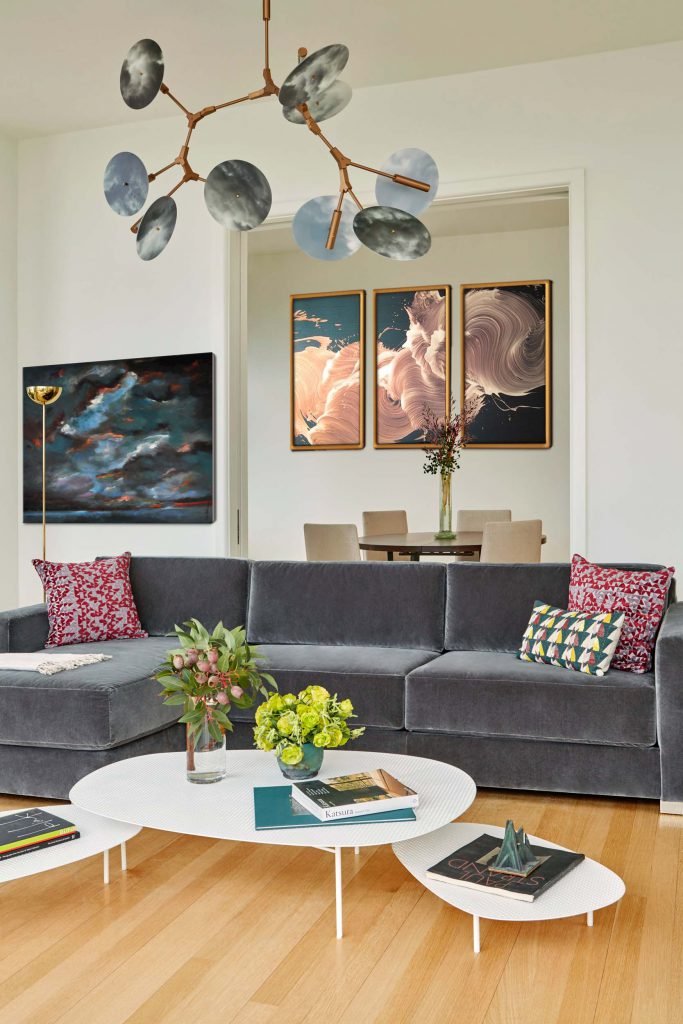
How do you know if a piece of furniture will work in a room?
One design decision is almost never just one design decision. If I do get the green sofa, what color should the armchair be? What color should the floors be? Do we need a rug? What happens to the curtains? One decision becomes a cascade of overwhelming questions.
Every time I buy something for a client, I am asking questions: Will it fit? Is the color scheme going to work for the rest of the room? How long will this last aesthetically? How long will this last functionally? Is there value?
Those questions are answered very quickly now. I can look at something and think, “Yes. No.” But it has taken a quarter century to get there. That kind of speed is not instinct alone. It is experience.
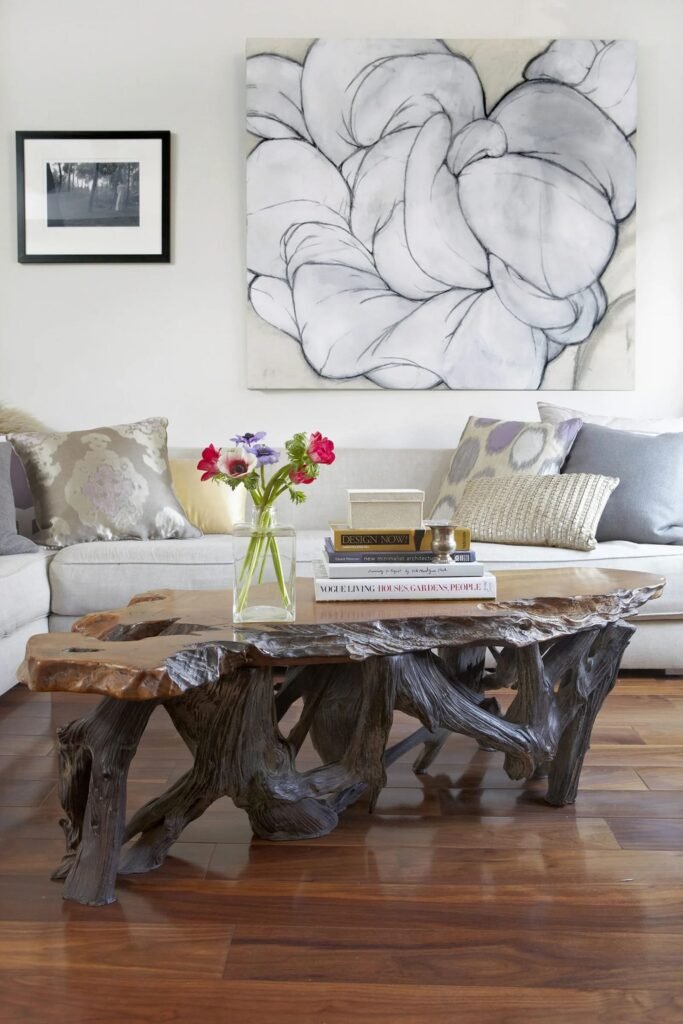
How do you create a room that feels collected rather than decorated all at once?
The most interesting rooms are often built over time. When I was younger and much poorer, I collected little silver vases from flea markets up and down the East Coast and in Paris. I had black-and-white photography, a Chesterfield ottoman, a brown linen sofa and a Japanese bench.
None of those things came from the same place or the same period, but they worked.
If you have a tight enough palette, you can make a very eclectic collection work together. Brown, beige and white can help unify things when the furniture, art and objects come from very different places.
But the pieces themselves still have to have something. If the items are not of quality, I do not care what color they are or what era they are from – it’s just going to look like junk. It needs to have some kind of inherent aesthetic beauty.
Does good design have to be expensive?
Not necessarily. Sometimes the cheapest thing at IKEA is honestly stunning.
The question is: What is it referencing? What is it drawing on? What makes the proportion, silhouette or material feel right?
So what does this mean? You have to develop an informed preference. Is something actually good, or is it simply pretty for five minutes?
It is like buying food. Is this M&M’s, or is this a chocolate éclair with cream filling? And there is nothing wrong with M&M’s. There is a time and a place for them. But they are not the same thing.

Can you mix modern furniture with antiques and pieces from different periods?
A beautiful room does not need to stay within one period. You can put a Japanese lantern in a room with a French antique bookshelf, a midcentury sofa and the right coffee table. You can combine black-and-white photography with furniture from different decades. You can mix cultures and chronologies.
The goal is not to make everything match. The goal is to create relationships.
When those relationships are good, a room can become very difficult to date. We have images on our website that are 25 years old, and nobody looks at them and says, “Yikes, that looks 25 years old.”
That is because the room was not built around one trend.
How do you choose furniture and décor that won’t look dated?
People ask how you identify things that will last. There is no magic formula. You have to look.
Museums, flea markets, show houses, historic rooms, mansions, galleries, auction sites and shops all train the eye. The more you look, the more you begin to recognize what was iconic for a period, what has proportion and materiality, and what is simply trendy and fun right now. That is connoisseurship, even if the word sounds a little grand. You train your eye.
A lot of people buy something because it feels current and fun. I am not interested in that as a design philosophy. I do not work in the land of Forever 21 or Temu. Beyond the aesthetic problem, it is an ecological disaster.
The better question is: How do we find something that will last? Look at the piece. Do a little research. Ask whether it represents qualities that people in that period held in high esteem and whether those qualities still register now.
That does not mean everything has to be museum-worthy. It means we are trying to avoid the disposable. A home should not need to be reinvented every three years.
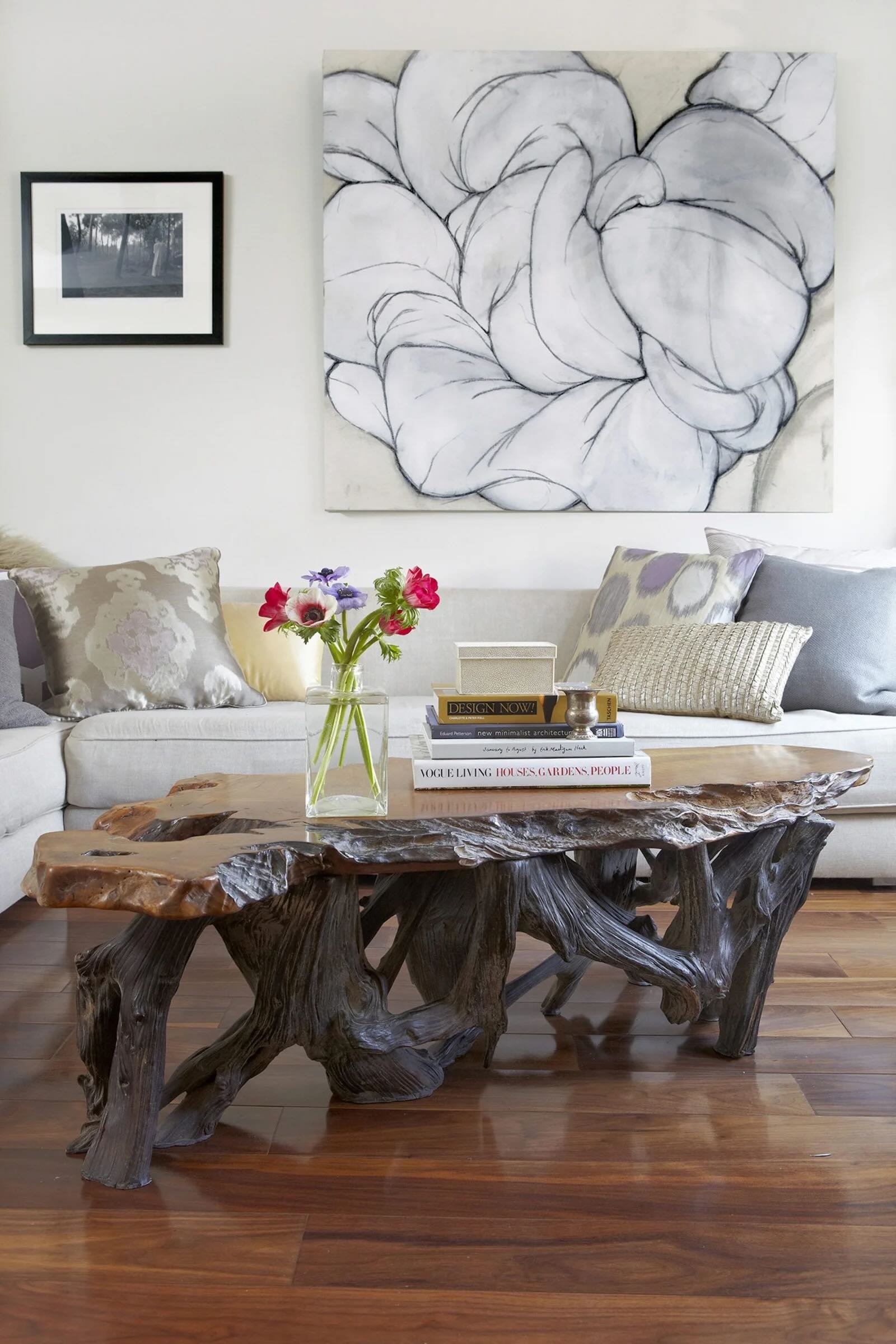
How do you make a room feel personal instead of staged?
The most exciting rooms have a story running through them. A Cycladic figure next to a Giacometti-like sculpture creates a conversation about the human body across time. Something ancient can sit next to something modern, and suddenly you begin seeing connections between them.
That is what happens when objects are chosen with enough thought. The room begins to have a narrative. It is no longer just a sofa, a table, a lamp and some art.
The objects start to speak to each other.
What does an interior designer actually add when you already know what you like?
A good designer does not simply tell you what to like. The value is often in seeing what you are too close to see.
You may know what you like and still be frozen. You may have confidence and still struggle to see the whole picture. A designer can tell you when something works, when it does not, and how all those individual choices can connect into a room that actually feels like you.
Sometimes even an experienced New York interior designer needs a designer, or at least another set of eyes.
-----------
Planning a Project? Read Our Guide to Interior Design Costs in New York
Interior design costs are often top of mind for clients. That said, we'd like to offer some helpful context on how interior design costs fit into an overall project budget. Please visit our Guide to interior design costs in New York and learn more.