
Low Ceiling Design Tricks: How to Make a Low Ceiling Room Feel Taller
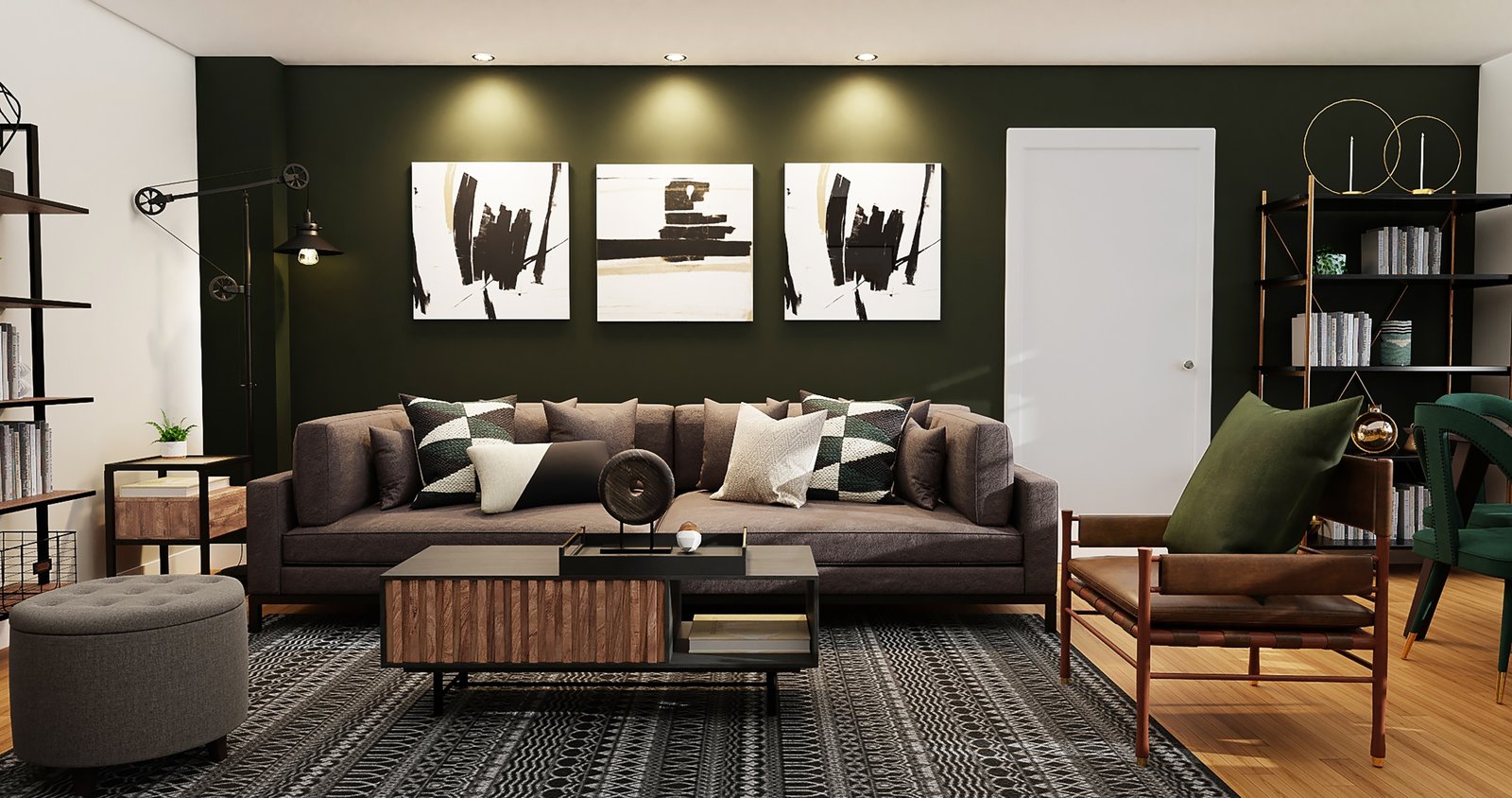
Here’s a common challenge faced by many homeowners: low ceilings. Yes, those confining 6-foot-high barriers that make us feel a bit like hobbits in our own homes. Our Brooklyn-based interior design firm has encountered this issue with countless client projects and has an arsenal of savvy tricks to share.
So, let's dive into some fun and clever low ceiling design tricks that will help you make the most of your vertical limitations.
Understanding Low Ceilings
Low ceilings are a common challenge in many homes and apartments, especially in older buildings, garden-level spaces, basements, brownstones, and compact city apartments. A low ceiling is one that feels compressed and can make a room seem smaller, heavier, or more closed in than it really is, even when the furniture, light, and overall style are good. For homeowners, renters, apartment dwellers, and anyone trying to improve a room with limited height, that visual weight can affect both comfort and the way the space functions day to day.
The good news is that a low ceiling does not have to be a design flaw. With the right furniture, lighting, paint colors, window treatments, art placement, mirrors, architectural details, and use of vertical space, a low-ceiling room can feel more open, balanced, and inviting without expensive structural work.
The goal is not always to physically raise the ceiling. In many homes, that is not realistic. Instead, good low ceiling design is about changing how the room is perceived. You want to draw the eye upward, reduce visual clutter, soften the transition between wall and ceiling, and make the space feel taller, lighter, and more intentional.
Why do low ceilings make a room feel smaller?
Low ceilings can make a room feel compressed because they reduce the sense of vertical space. Even if the square footage is generous, a low ceiling can make the room feel squat or closed in.
This often happens in older homes, basement rooms, prewar apartments, brownstones, and spaces that were renovated over time. Sometimes ceilings are low because of the original architecture. Other times, they feel low because of dropped ceilings, bulky lighting, heavy beams, poor paint choices, oversized furniture, or window treatments that cut the wall in half.
A low ceiling becomes more noticeable when the room has too many horizontal lines. A bulky sofa, low artwork, short curtains, heavy light fixtures, and dark paint can all reinforce the feeling that the room is pressing down.
The best low ceiling design tricks work in the opposite direction. They create vertical movement, reflect light, simplify the ceiling plane, and make the eye travel upward instead of stopping at the lowest point in the room.
How do you make a low ceiling room feel taller?
The easiest way to make a low ceiling room feel taller is to create the illusion of height. That means using design elements that pull the eye upward.
Tall bookcases, vertical artwork, floor-to-ceiling curtains, narrow mirrors, vertical wall paneling, and carefully placed lighting can all make a room feel higher. These elements create long visual lines, which help counteract the feeling of a low ceiling.
It also helps to keep the room from feeling too heavy at the top. Avoid bulky chandeliers, dark ceiling colors that feel oppressive, and fixtures that hang too low in areas where people walk or gather. The more visual space you can preserve overhead, the taller the room will feel.
In many cases, a low-ceiling room benefits from contrast: lower, cleaner furniture at the floor level and taller visual gestures on the walls. That combination creates breathing room.
What furniture works best in rooms with low ceilings?
Furniture has a major impact on how a low-ceiling room feels. In many spaces, the best choice is lower-profile furniture that makes the wall area above it feel more open.
A sofa with a lower back, a simple platform bed, low lounge chairs, or a streamlined console can all help create the sense of more vertical space. Furniture with exposed legs can also make the room feel lighter because you can see more floor beneath it.
Oversized, bulky furniture can have the opposite effect. A large sectional, tall armchairs, heavy bookcases that stop awkwardly below the ceiling, or a massive entertainment unit can make the room feel crowded and compressed.
That does not mean everything has to be tiny. Scale still matters. A room should feel comfortable and properly furnished. But in a low-ceiling space, it is especially important to avoid pieces that visually crowd the room.
How can art make a low ceiling seem higher?
Art is one of the most effective low ceiling design tools because it can guide the eye upward.
Instead of hanging one small piece of art too low on the wall, consider a taller arrangement. A vertical piece, a stacked grouping, or a gallery wall that extends higher can make the room feel more expansive. The key is to use art to create movement.
Floor-to-ceiling bookcases, tall framed works, vertical arrangements, and art hung slightly higher than expected can all help lift the visual weight of the room. This is especially useful in living rooms, dining rooms, hallways, and bedrooms where the walls may otherwise feel short.
The goal is not to crowd the walls. It is to create a sense of height and rhythm. When art is used well, it can make a low-ceiling room feel more intentional instead of merely small.
What paint colors visually raise a ceiling?
Paint can make a dramatic difference in a low-ceiling room. Light colors usually work best because they reflect more light, help create an airy atmosphere, and make the ceiling feel less heavy.
Soft white, warm white, pale gray, light blue, cream, and subtle neutral shades can all help a room feel taller and brighter. A cohesive light color palette can help the room feel more open, and a ceiling painted in a slightly lighter color than the walls can create the impression of added height.
In some rooms, painting the walls and ceiling the same paint color can also be effective. This reduces the sharp line where the wall meets the ceiling, which can make the ceiling height less noticeable. A continuous color envelope can soften the room and make it feel more expansive, and a monochromatic color palette can make the space feel larger.
Dark colors are not always wrong, but they have to be used carefully. A dark ceiling can feel intimate and dramatic in the right space, but in a room that already feels cramped, it may make the ceiling feel even lower.
Should you paint a low ceiling white?
White is often a good choice for a low ceiling, but it is not the only choice. The best ceiling color depends on the room’s natural light, wall color, flooring, furnishings, and overall mood.
A clean white ceiling can reflect light and make the room feel taller. A warm white may work better in rooms with wood floors, warm furnishings, or softer traditional details. A cooler white may suit a more modern space with gray, blue, or black accents.
The mistake is assuming that any white will work. A stark white ceiling can sometimes create too much contrast with darker walls, making the ceiling line more obvious. In those cases, a softer white, a pale tint, or a ceiling color related to the wall color may be better.
The goal is not simply to make the ceiling white. The goal is to make the ceiling feel lighter, calmer, and less visually dominant.
What are the best lighting solutions for low ceiling design?
Lighting is one of the most important parts of low ceiling design. The wrong fixture can make the ceiling feel even lower. The right lighting can make the room feel larger, brighter, and more open.
For low ceilings, consider recessed lighting, flush-mount fixtures, wall sconces, picture lights, floor lamps, and table lamps. These options provide light without taking up too much vertical space.
Layered lighting is usually better than relying on one central ceiling fixture. A single overhead light can flatten the room and draw attention to the low ceiling. Multiple light sources create depth and make the room feel more dimensional.
Good lighting should not only illuminate the room. It should shape the room. Light directed toward walls, art, corners, and architectural details can make the space feel wider and taller.
What are the best pendant lights and lighting fixtures for low ceiling living rooms?
In a low-ceiling living room, the best lighting fixtures are usually flush-mount lights, low-profile semi-flush mounts, recessed lights, wall sconces, and lamps. In very low rooms, select flush mounts that are under 4 inches tall to keep the fixture as unobtrusive as possible.
Avoid large chandeliers or long pendants in the middle of the room unless they are placed over a table, where people will not walk underneath them. If you want more visual interest, you can opt for pendant lights only over a table or island, not in circulation paths. A fixture that hangs too low can interrupt the room visually and physically.
Wall sconces are especially useful because they add light without taking up floor or ceiling space. Picture lights can highlight art and draw attention upward. Floor lamps and table lamps can create comfortable pools of light without emphasizing the ceiling height.
The best solution is often a mix: recessed or flush-mount lighting for general illumination, sconces or picture lights for the walls, and lamps for warmth and atmosphere.
An option is to strategically hang pendant lights, being mindful of fixtures that are not too low to avoid further accentuating the ceiling’s proximity. (I looked at some interesting ones today on Bergdorf Goodman’s website…didn’t know they had them!) Here’s a link to see what they are showing which includes a wide variety of styles, colors, lengths, and price points. Pendant Lighting)
Of course, there are many places to look for lighting but this can give you some ideas. And if you want more ideas and help working on issues such as low ceilings (or other interior design challenges/opportunities) we’d love to help.
Are recessed lights good for low ceilings?
Recessed lights can be very helpful in low-ceiling rooms because they do not hang down into the space. They provide clean overhead light while keeping the ceiling plane visually simple.
However, recessed lighting should be planned carefully. Too many recessed lights can make the ceiling look busy or commercial. Poorly placed recessed lights can create glare or uneven shadows. The goal is to use them strategically, not to cover the ceiling with holes.
In some apartments and older buildings, recessed lighting may not be possible because of concrete ceilings, wiring limitations, or building rules. In those cases, low-profile surface-mounted lights, track lighting, sconces, and lamps may be better options.
The larger point is this: low ceiling lighting should feel integrated. It should brighten the space without calling too much attention to the ceiling itself.
What window treatments maximize natural light and make low ceilings look higher?
Window treatments can make a low ceiling look higher when they are installed correctly. One of the best tricks is to hang curtains as high as possible, ideally close to the ceiling, and let them fall to the floor.
This creates a long vertical line that draws the eye upward. It also makes the windows look taller, even if the actual window height is modest.
Avoid hanging curtain rods just above the window frame if the ceiling is low. That cuts the wall visually and can make the room feel shorter. A higher curtain rod gives the room more elegance and height.
Lightweight fabrics, simple panels, and soft colors often work best. Heavy, bulky drapes can make the room feel weighed down, especially in a small space.
How can mirrors make a low ceiling room feel larger?
Mirrors can help a low-ceiling room feel larger by reflecting light, views, and movement. A mirror placed across from a window can bring more natural light into the space and make the room feel more open.
Tall mirrors are especially useful because they create a vertical line. A narrow floor mirror, a large wall mirror, or a mirror above a console can add depth and make the ceiling feel higher.
The frame matters too. A heavy, ornate frame can be beautiful, but in a low-ceiling room it may add too much weight. A simpler frame, or even a frameless mirror, can keep the effect lighter.
Mirrors are not just decorative. In the right position, they can create the impression of another opening, another view, or more space beyond the wall.
What architectural details help low ceilings feel higher?
Architectural details can also make low ceilings feel higher. Vertical paneling with narrow boards, tall doors, full-height built-ins, elongated moldings, and floor-to-ceiling shelving can all emphasize height; these vertical elements can make walls appear taller, and installing shelving close to the ceiling uses vertical space efficiently.
The key is to avoid details that chop the wall into short horizontal bands. Horizontal dividers like chair rails, heavy crown molding, or dark trim can make the ceiling feel lower.
That does not mean you have to remove all architectural detail. In many rooms, the right trim or millwork can make the space feel more finished. But the proportions need to be considered carefully.
For example, tall bookcases that reach the ceiling can make the room feel more vertical. A built-in that stops several inches short of the ceiling may accidentally emphasize how low the ceiling is. Similarly, vertical paneling can stretch the room visually, while a heavy horizontal treatment may compress it.
How do you maximize vertical space in a low ceiling room?
Maximizing vertical space means using the full height of the room intelligently. Even when the ceiling is low, the walls can still work hard.
Use tall storage where appropriate. Hang art higher. Install curtains near the ceiling. Consider vertical shelving. Use lighting that activates the walls. Keep the floor plan open enough so the room does not feel crowded.
It also helps to reduce visual clutter. Too many small pieces of furniture, too many accessories, or too many competing lines can make a low-ceiling room feel busy. Keeping clutter to a minimum makes the room feel significantly larger and allows the eye to move more easily.
Low ceilings often feel better when the room has a clear design idea. The space should not feel like it is apologizing for its height. It should feel cozy, intentional, and well-proportioned. Good decor should support that vertical strategy rather than compete with it to enhance the overall effect.
What are the best decorating ideas for small bedrooms with low ceilings?
Small bedrooms with low ceilings can be especially challenging because the bed takes up so much visual and physical space. The best approach is to keep the room calm, simple, and vertical.
A lower bed can help create more space above it. Wall-mounted sconces can replace bulky table lamps. Simple nightstands can keep the room from feeling crowded. Curtains hung close to the ceiling can make the windows feel taller.
Color is also important. Soft, light shades can make the room feel more open. Painting the ceiling and walls in related tones can blur the boundary between them. A vertical piece of art above the bed can help draw the eye upward.
Avoid oversized headboards, heavy ceiling fixtures, dark bulky furniture, and short curtains. These details can make the room feel smaller and more compressed.
Where can you find low-profile ceiling fans for low ceilings?
For rooms that need a ceiling fan, look for low-profile, flush-mount, or “hugger” ceiling fans. These are designed to sit closer to the ceiling than standard fans.
Before choosing one, check the total drop from the ceiling to the bottom of the fixture. Some fans are described as low-profile but still hang too low for very short ceilings. Blade clearance and safety are important.
Low-profile ceiling fans are widely available through lighting stores, home improvement retailers, specialty fan companies, and online furniture and design sources. The best choice will depend on the ceiling height, room size, style, and whether the fan also includes a light.
In a very low room, a ceiling fan may not be the best solution. A quiet floor fan, wall-mounted fan, or improved air circulation may be more practical.
When should you hire an interior designer for a low ceiling room?
You may want to hire an interior designer if the room still feels low, dark, awkward, or cramped after basic changes. Low ceilings are often not just a paint or furniture issue. They may involve lighting, proportion, window treatments, furniture scale, architectural details, or layout.
A designer can help determine what will make the biggest difference. Sometimes the answer is simple: better lighting, taller curtains, lower furniture, or a new paint color. Other times, the room may need custom built-ins, architectural changes, improved storage, or a more complete redesign.
This is especially true in New York apartments and older homes, where ceiling height may be affected by beams, dropped ceilings, building systems, or renovation limitations. A good designer can help work with those constraints rather than fighting them.
Low Ceiling Design FAQ
What are the best lighting solutions for low ceiling design?
The best lighting solutions for low ceiling design include recessed lights, flush-mount fixtures, wall sconces, picture lights, floor lamps, and table lamps. The goal is to create layered lighting without using fixtures that hang too low or make the ceiling feel closer.
How do you make a low ceiling room feel taller?
You can make a low ceiling room feel taller by using vertical lines, tall curtains, higher art placement, light paint colors, low-profile furniture, mirrors, and layered lighting. These choices draw the eye upward and make the space feel more open.
What paint colors visually raise a ceiling?
Soft white, warm white, pale gray, cream, light blue, and subtle neutral colors can visually raise a ceiling. In some rooms, painting the walls and ceiling in the same or closely related colors can also make the room feel taller.
What are the best lighting fixtures for low ceiling living rooms?
The best lighting fixtures for low ceiling living rooms are usually flush-mount lights, low-profile semi-flush fixtures, recessed lights, wall sconces, picture lights, and lamps. Avoid oversized chandeliers or long pendants in areas where people need to walk.
What furniture works best in rooms with low ceilings?
Low-profile furniture often works best in rooms with low ceilings. Sofas, beds, chairs, and consoles with lower silhouettes can create more visual space above them. Furniture with exposed legs can also make the room feel lighter.
How do you decorate a small bedroom with low ceilings?
Use a lower bed, wall-mounted lighting, simple nightstands, pale colors, vertical artwork, and curtains hung near the ceiling. Avoid bulky furniture, heavy drapes, oversized ceiling fixtures, and dark colors that make the room feel compressed.
Where can you buy ceiling fans for low ceilings?
Look for flush-mount or hugger ceiling fans through lighting stores, home improvement retailers, specialty fan companies, and online design retailers. Always check the total drop of the fixture before buying.
What are the biggest mistakes to avoid in low ceiling rooms?
The biggest mistakes are using oversized furniture, hanging curtains too low, choosing bulky ceiling fixtures, placing art too low, using too many horizontal lines, and relying on one harsh overhead light. These choices can make a low ceiling feel even lower.
The Bottom Line
A low ceiling does not have to make a room feel small or limiting. With the right design choices, it can become part of a warm, intimate, and beautifully proportioned space.
The best low ceiling design tricks are about perception. Draw the eye upward. Keep lighting layered. Choose furniture with the right scale. Use paint thoughtfully. Let curtains, art, mirrors, and architectural details create the feeling of height.
When all of those elements work together, a low-ceiling room can feel open, comfortable, and intentional rather than cramped.